

The Future of Construction Is Growing in the Ground
At dasso, we've spent years exploring the extraordinary potential of bamboo — not just as a traditional craft material, but as a high-performance engineering solution for the buildings of tomorrow.
From Ancient Craft to Modern Engineering
Bamboo architecture is not new. Communities across Asia have built with bamboo for centuries — from the iconic stilt houses of Yunnan's Dai ethnic group to elegant bamboo suspension bridges. Traditional builders understood something fundamental: bamboo's tensile and flexural strength can be up to twice that of timber.
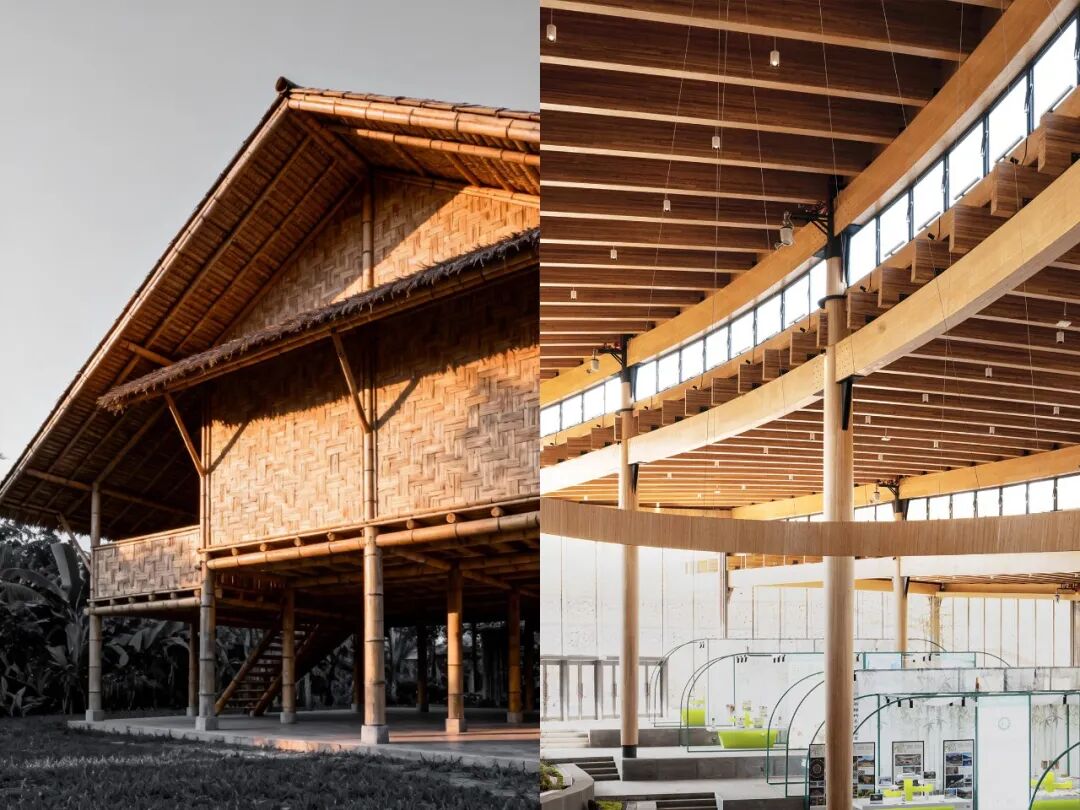
But traditional bamboo had its limitations. Raw round bamboo is prone to cracking. Joints are structurally complex. Its naturally anisotropic properties made standardised construction difficult.
That's where modern engineering changes everything.
The Material Revolution: From Raw Bamboo to Engineered Bamboo
The real breakthrough in contemporary bamboo architecture comes from transforming raw culms into engineered bamboo — materials like glue-laminated bamboo (glubam) and high-density bamboo composites.
By splitting, recombining, and bonding bamboo fibres under precision conditions, we preserve everything that makes bamboo exceptional — its remarkable strength-to-weight ratio — while eliminating the vulnerabilities that held it back.
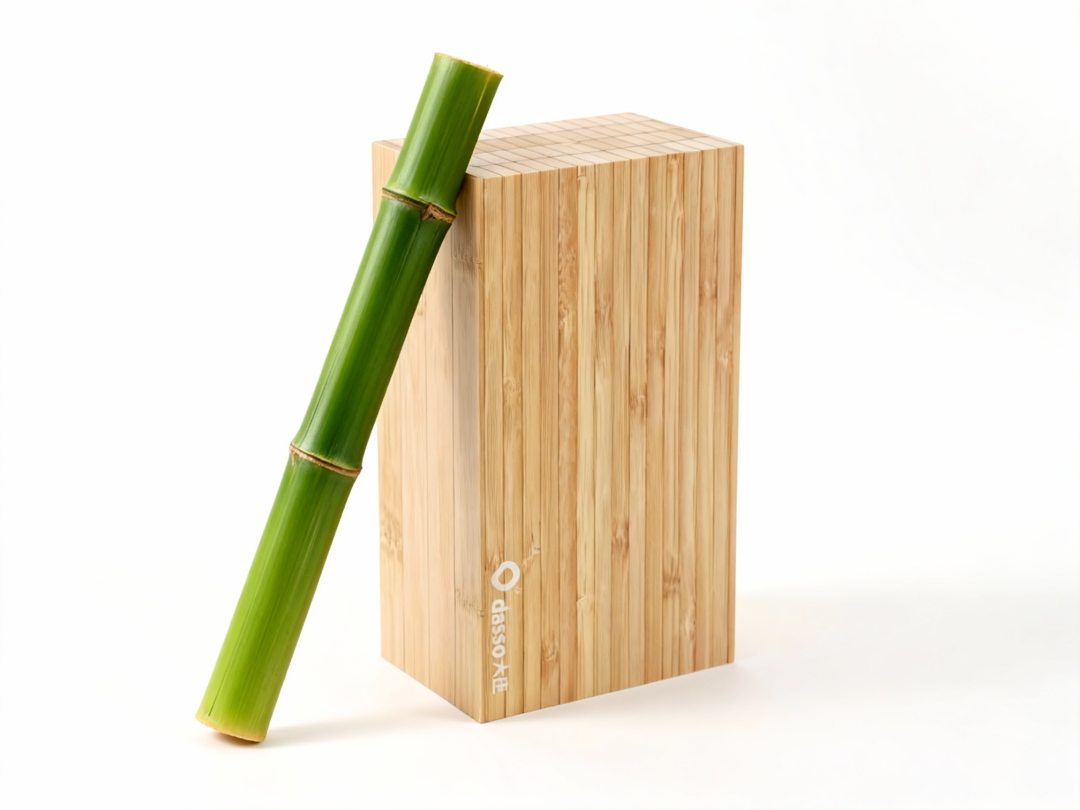
The result: a material with consistent mechanical performance, enhanced fire resistance, improved durability, and the dimensional precision required for modern construction.
Where Engineered Bamboo Is Being Used Today
Modern engineered bamboo is expanding into virtually every building typology:
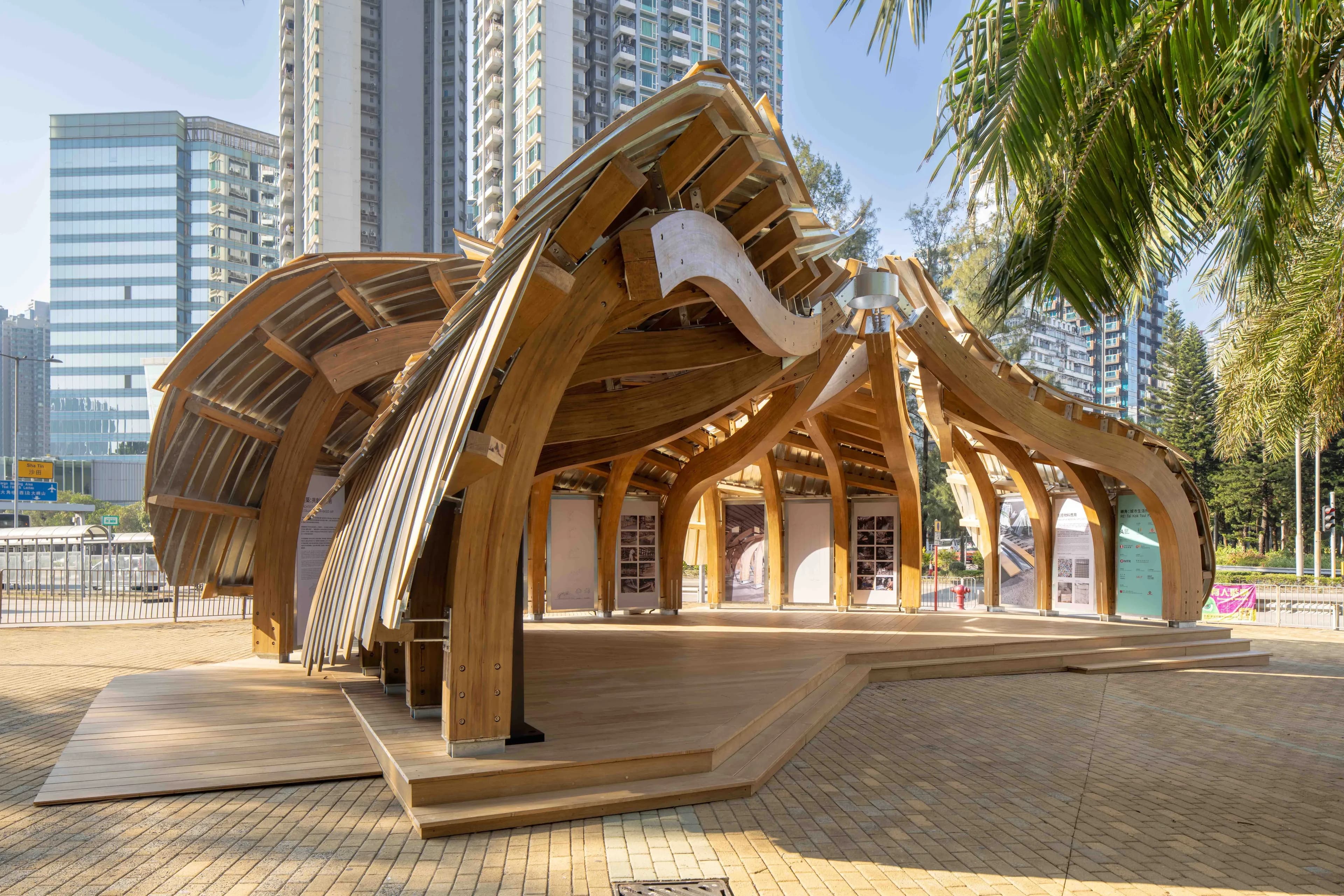
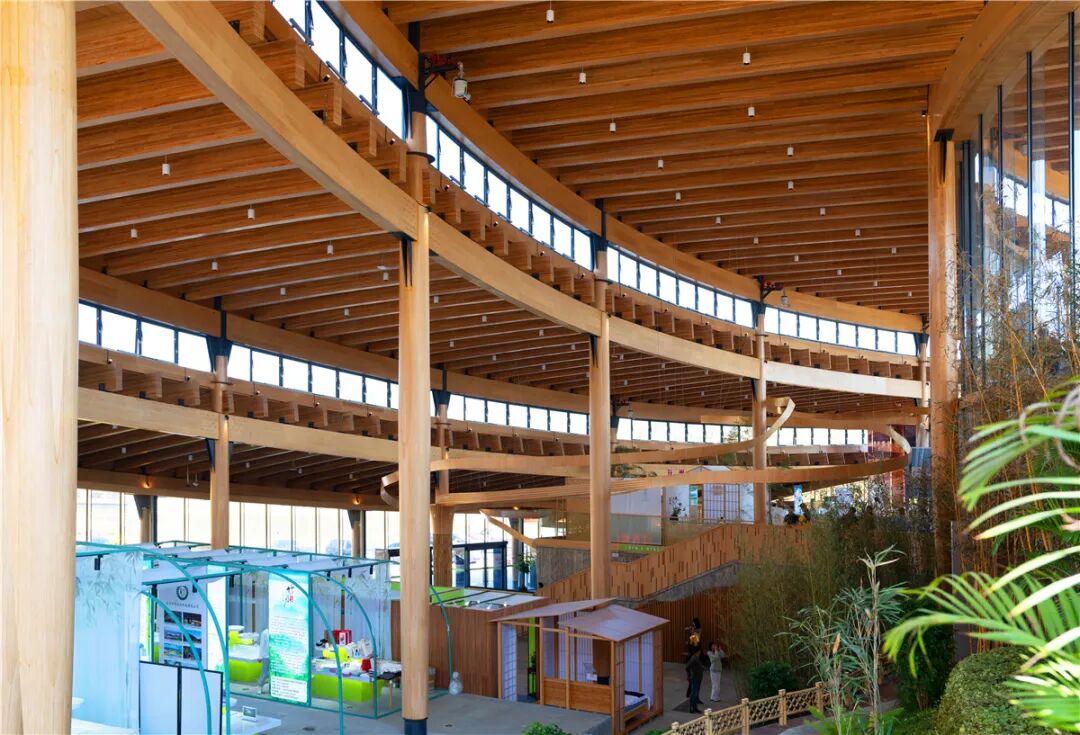
Public & Cultural Buildings — Beam-column frame structures and long-span trusses for cultural venues and sports facilities, showcasing how natural aesthetics and structural engineering can coexist.
Residential & Commercial — Prefabricated wall panels, floor systems, and roof structures for villas, boutique hotels, and commercial spaces — enabling fast construction with a clear sustainability story.
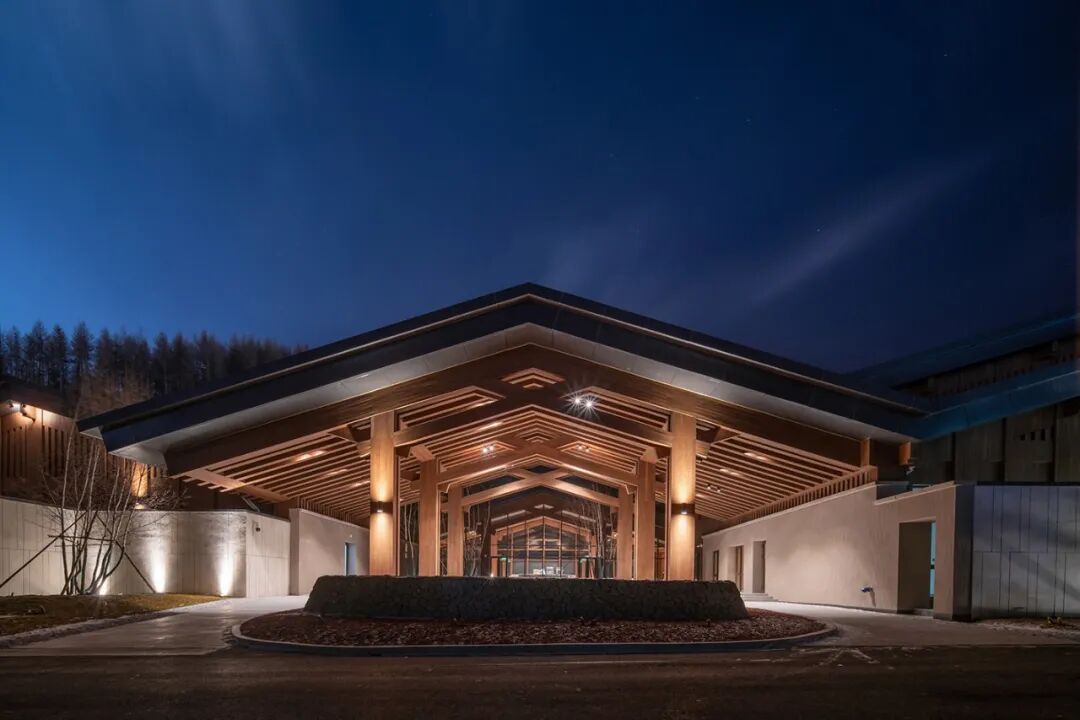
Infrastructure & Landscape — Bridges, pergolas, and architectural installations that leverage bamboo's light weight, strength, and ductility to achieve forms that other materials cannot.
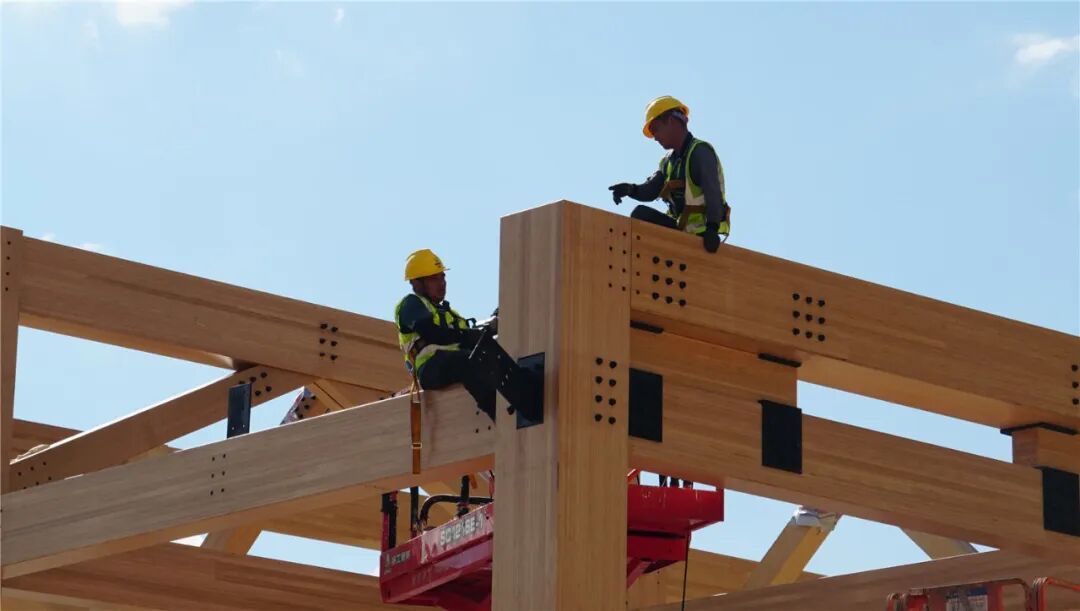
Infrastructure & Landscape — Bridges, pergolas, and architectural installations that leverage bamboo's light weight, strength, and ductility to achieve forms that other materials cannot.
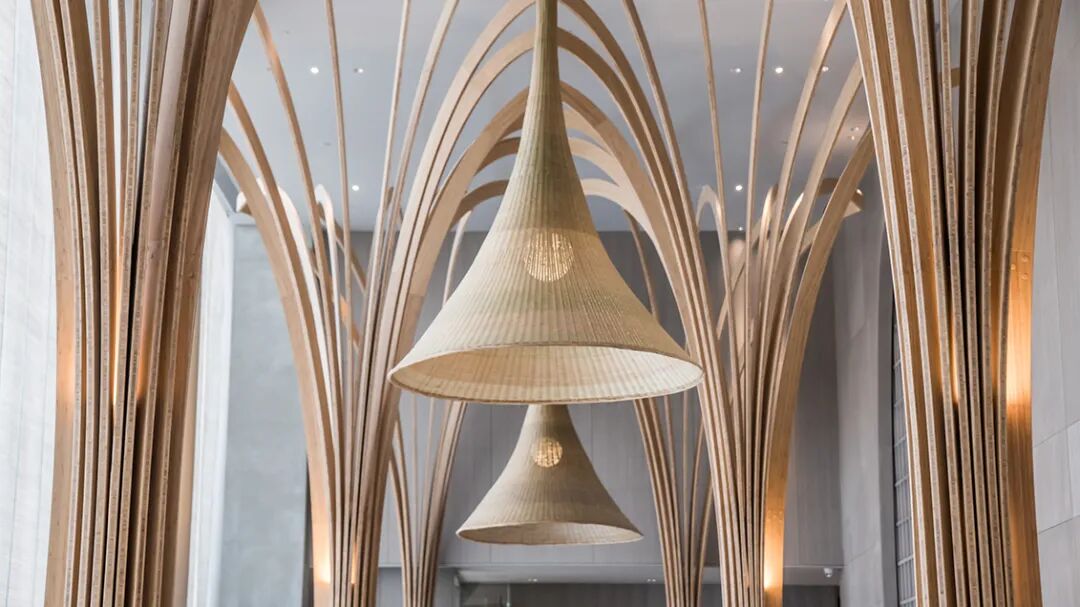
Why Bamboo? Three Reasons That Matter Now
1. Sustainability at Scale
Some bamboo species reach structural maturity in just 4–6 years. Compared to steel and concrete — two of the most carbon-intensive materials in the built environment — bamboo buildings carry a dramatically lower carbon footprint across their full lifecycle. In a world racing toward net zero, that matters enormously.
2. Performance
That Surprises Bamboo's hollow vascular bundle microstructure gives it exceptional strength and elasticity. Its low mass and high flexibility make bamboo structures naturally resilient in seismic zones. And with modern treatment processes, engineered bamboo now meets stringent standards for fire performance and long-term durability.
3. Culture & Aesthetic
In Chinese and many Asian cultures, bamboo is a symbol of resilience, elegance, and integrity. Bamboo architecture carries that meaning into the built environment. Whether raw and organic or precision-engineered and refined, bamboo creates spaces that feel warm, human, and connected to nature — exactly what people are looking for today.
From traditional bamboo pavilions to award-winning large-scale public buildings, the application of bamboo in construction is expanding rapidly. The future of sustainable construction might just be growing in a grove near you.
dasso is a global leader in engineered bamboo products and bamboo structural systems, committed to advancing bamboo as a mainstream construction material for a low-carbon world.
Interested in bamboo structure solutions? Let's connect.